Why Do We Procrastinate (And How to Actually Stop)?
It is not laziness — it is emotion regulation. The neuroscience of avoidance and evidence-based strategies to beat it.
- Procrastination as emotion regulation, not time management failure
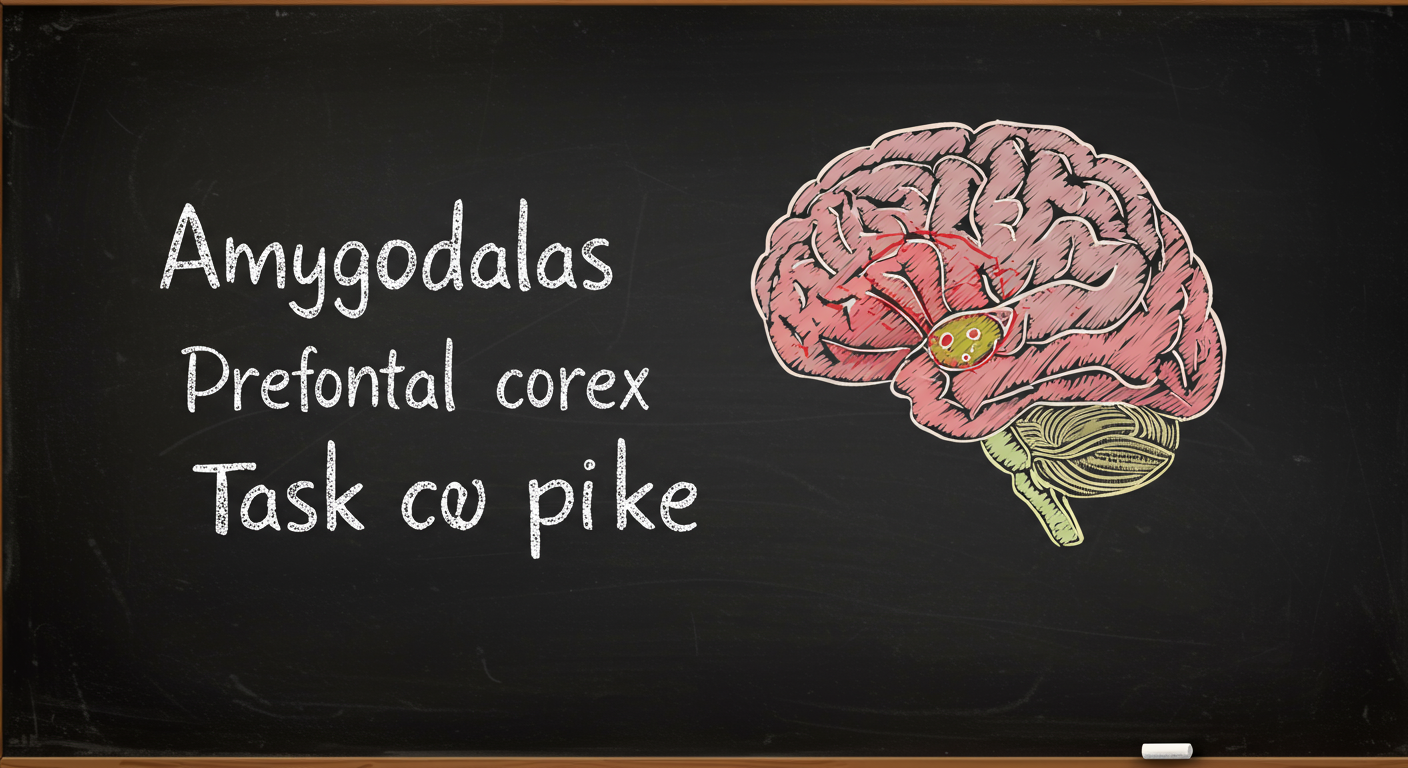
- The role of the amygdala and prefrontal cortex in avoidance
- Implementation intentions, temptation bundling, and the 2-minute rule
- Why perfectionism and procrastination are deeply connected
Chapter 1: Procrastination is emotion regulation
Why Do We Procrastinate (And How to Actually Stop)?
It is not laziness — it is emotion regulation. The neuroscience of avoidance and evidence-based strategies to beat it.
Procrastination is not laziness
Procrastination is a form of short-term emotion regulation. The task creates an unpleasant feeling, and avoidance gives immediate relief.
The procrastination loop
- A task appears.
- It triggers discomfort.
- You avoid it.
- Relief arrives fast.
- The brain remembers the relief.
- The habit gets stronger.
Why this matters
If the real problem is emotion, then a planner alone will not fix it. You need strategies that lower the emotional cost of starting.
A better question than “Why am I lazy?”
Ask: what feeling am I trying not to feel right now?
That question changes the target. You are no longer fighting your personality. You are working with the emotion that is driving the delay.
Chapter 2: The brain systems behind avoidance
Amygdala and prefrontal cortex
The amygdala detects threat quickly. The prefrontal cortex supports planning, inhibition, and goal-directed behavior.
When a task feels threatening, the brain prioritizes escape over effort.
Why stress makes starting harder
Stress narrows attention and increases urgency. That makes it harder to think clearly, estimate time, and begin an unpleasant task.
The brain is not choosing between good and bad
It is choosing between immediate relief and delayed reward.
That is why procrastination often appears most strongly when the task is uncertain, evaluative, or emotionally loaded.
Chapter 3: Perfectionism and procrastination
Why perfectionism feeds procrastination
Perfectionism raises the emotional stakes of starting.
If the task feels like a test of worth, avoidance becomes a way to avoid shame.
The trap
High standards are useful when they guide improvement. They backfire when they make the first draft feel dangerous.
A practical reframe
First draft means first draft.
Not good draft. Not final draft. Just the version that makes the next version possible.
Chapter 4: Three strategies that actually work
1. Implementation intentions
An if-then plan links a cue to a specific action.
Example: If I sit at my desk after breakfast, then I open the assignment and work for 10 minutes.
2. Temptation bundling
Attach a pleasant activity to the task.
Example: only listen to a favorite audiobook while cleaning the kitchen.
3. The 2-minute rule
Make the first step so small that resistance drops.
Example: write one sentence, not the whole essay.
def two_minute_start(task):
    return f"Do the first 2 minutes of: {task}"

print(two_minute_start('write the report'))Why these methods work
They reduce decision fatigue and make the first action concrete.
Concrete beats vague. The brain can execute a specific cue far more easily than a broad intention.
Chapter 5: A practical anti-procrastination system
A simple anti-procrastination protocol
- Name the feeling.
- Shrink the task.
- Set a cue.
- Start for 2 minutes.
- Continue only if momentum appears.
When willpower is the wrong tool
If the task is vague, the project needs structure. If the task is overwhelming, it needs smaller steps. If avoidance is pervasive, additional support may help.
Takeaway
Procrastination is usually a problem of emotion, not intelligence.
When you lower the emotional cost of starting, you make action possible.
Keep going with Slate
Pick up where this left off in your own voice session.