What Is the Placebo Effect (And Why Does It Work)?
Sugar pills that cure pain, sham surgeries that heal knees — the bizarre science of believing yourself better.
- How placebos trigger real neurochemical changes in the brain
- The nocebo effect: when belief makes you sicker
- Why placebos work even when you know they are placebos
- Implications for drug trials, pain management, and mental health
What a Placebo Really Is
What Is the Placebo Effect (And Why Does It Work)?
Sugar pills that cure pain, sham surgeries that heal knees — the bizarre science of believing yourself better.
Placebo effect definition
A placebo is an inactive treatment used as a comparison in a clinical trial.
The placebo effect is the improvement that comes from the meaning of treatment, not from a drug’s active chemistry.
Common examples:
- Sugar pills in drug trials
- Saline injections that look like medicine
- Sham procedures in some studies
- Inert creams or inhalers
The effect is strongest for symptoms that the brain helps regulate, especially pain, anxiety, fatigue, and nausea.
What placebo can and cannot do
A placebo can change experience. It cannot replace a needed medical treatment.
It may help with:
- Pain intensity
- Nausea
- Anxiety
- Sleep perception
- Some movement symptoms in Parkinson disease
It does not reliably cure:
- Infections
- Cancer
- Broken bones
- High blood pressure on its own
How Belief Changes the Brain and Body
Why the brain chemistry matters
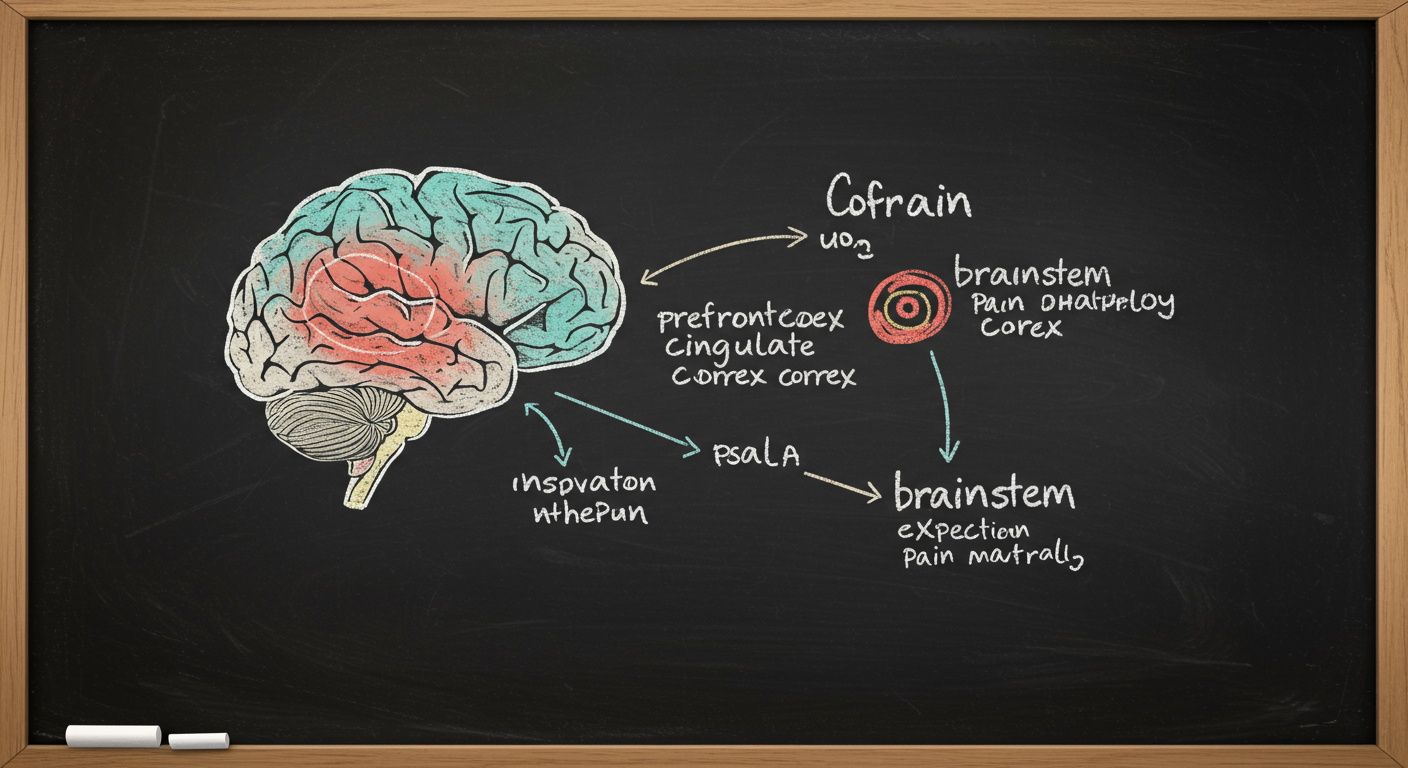
Placebo effects can involve the body’s own signaling systems.
Two well-studied examples:
- Endogenous opioids, which reduce pain
- Dopamine, which affects reward, motivation, and movement
This is why placebo responses are often strongest for symptoms the nervous system helps regulate.
The Nocebo Effect and the Power of Expectation
Nocebo effect definition
The nocebo effect is symptom worsening caused by negative expectation.
It can show up as:
- More pain
- More nausea
- Headaches
- Fatigue
- Anxiety about side effects
The same body can feel better or worse depending on what the brain predicts.
Why Placebos Can Work Even When You Know
Open-label placebo
An open-label placebo is a placebo given honestly, with the patient told it has no active ingredient.
Researchers have found benefits in some studies of:
- Irritable bowel syndrome
- Chronic low back pain
- Migraine prevention in some settings
- Stress-related symptoms
The response is not magic. It comes from expectation, conditioning, and the meaning of treatment.
# Simple model of an open-label placebo response
# Not a real clinical prediction model

def symptom_score(baseline, ritual_strength, expectation, conditioning):
    reduction = 0.2 * ritual_strength + 0.3 * expectation + 0.3 * conditioning
    return max(0, baseline - reduction)

print(symptom_score(baseline=8, ritual_strength=5, expectation=4, conditioning=6))Why knowing it is a placebo does not erase the effect
Knowing the pill is inert changes the story, but not all the learning.
The brain can still respond to:
- The act of taking a pill
- Trust in the clinician
- Repeated past relief
- The structure of a treatment routine
What This Means for Trials, Pain Care, and Mental Health
Why placebo controls matter in drug trials
A placebo-controlled trial helps answer a specific question: does the active treatment work better than expectation and natural change?
This is especially important because symptoms often improve over time even without treatment.
Key trial terms:
- Randomized: patients are assigned by chance
- Double-blind: neither patient nor researcher knows who gets what
- Control group: the comparison group, often placebo
Practical takeaways
For patients:
- Expectation can change how symptoms feel
- Honest, calm explanations can reduce nocebo effects
- A placebo is not a replacement for needed treatment
For clinicians and researchers:
- Use placebo controls when the question demands it
- Communicate side effects clearly and carefully
- Respect the real biology of expectation
Keep going with Slate
Pick up where this left off in your own voice session.