What Is the Circular Economy?
Design for reuse, not landfill. How fashion, electronics, and packaging are being reimagined from waste up.
- Linear vs. circular economy models
- Design for disassembly and material recovery
- Industry examples: fashion, electronics, packaging
- EU regulations driving circular design in 2026
1. Linear economy versus circular economy
What Is the Circular Economy?
Design for reuse, not landfill. How fashion, electronics, and packaging are being reimagined from waste up.
Linear economy
A linear economy follows a one-way path: extract raw materials, manufacture a product, use it, then dispose of it.
Circular economy
A circular economy keeps products, components, and materials in use for longer through repair, reuse, refurbishment, remanufacturing, and recycling.
Why the difference matters
- Linear systems lose value at every step.
- Circular systems try to preserve value.
- Design choices made early determine whether recovery is easy or expensive.
Core engineering idea
The product is not just an object. It is a future supply of parts and materials.
2. Design for disassembly and material recovery
Design for disassembly
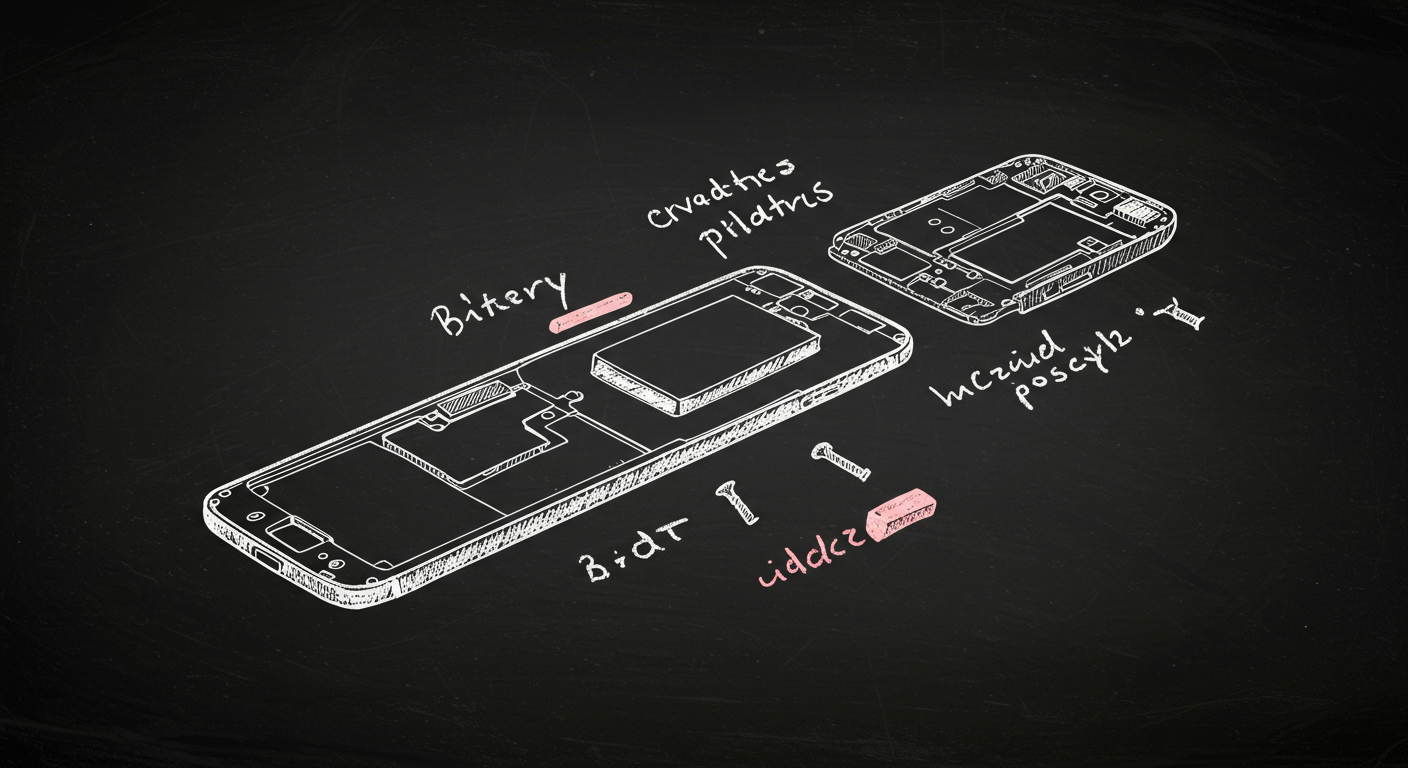
Design for disassembly means making a product easy to open, separate, repair, and sort into material streams.
Design choices that help recovery
- Screws, clips, and modular joints instead of permanent glue
- Fewer mixed materials
- Standardized parts and connectors
- Clear labeling of polymers and alloys
- Access to batteries, screens, and motors
Why purity matters
Recycling works best when one material dominates the stream. Contamination lowers quality and can force downcycling or disposal.
Real tradeoff
Adhesives can make devices thinner, lighter, and sometimes cheaper to assemble. But they often make repair and recycling harder. Circular design asks a harder question: does the short-term manufacturing advantage outweigh the long-term recovery loss?
3. Fashion: from fast turnover to longer use
Circular fashion strategies
- Make garments more durable
- Offer repair and resale
- Use fewer fiber blends
- Design detachable trims and labels
- Build collection systems for used clothing
Why textiles are difficult
Many garments combine cotton, polyester, elastane, dyes, zippers, and coatings. Each added material can reduce recyclability.
A useful rule
The fewer material types in a garment, the easier it is to recover value at end of use.
4. Electronics and packaging: where circular design pays off fast
Electronics
Electronics contain high-value metals and complex assemblies. Circular strategies focus on repair, refurbishment, parts harvesting, and high-quality recycling.
Packaging
Packaging should be easy to sort in real collection systems. Simple mono-material formats usually outperform complex multilayer formats.
EU policy signals
- Right to Repair, adopted in 2024
- Ecodesign for Sustainable Products Regulation, adopted in 2024
- Packaging and Packaging Waste Regulation, adopted in 2025 with phased application from 2026
def material_recovery_rate(recovered_mass_kg, total_mass_kg):
    return 100 * recovered_mass_kg / total_mass_kg

phone_mass = 180
recovered = 72
print(f"Recovery rate: {material_recovery_rate(recovered, phone_mass):.1f}%")Why policy matters
Circular design rarely wins on good intentions alone. Regulations create the same pressure across an entire market, so repairable and recyclable products stop being niche and become the default.
5. What engineers actually do in a circular economy
Circular design checklist
- Define the highest-value recovery path
- Reduce material complexity
- Make disassembly fast and safe
- Support repair with parts and manuals
- Build take-back and sorting systems
- Track collection, reuse, and recycling outcomes
Key metrics
- Product lifetime
- Repair rate
- Reuse rate
- Recycled content
- Recovery yield
Bottom line
Circular economy engineering turns waste prevention into a design specification.
Keep going with Slate
Pick up where this left off in your own voice session.