Vagus Nerve, Breathwork, and Nervous System Reset
Neurowellness is the top wellness trend of 2026. Learn what actually calms your nervous system — and what is just hype.
- The autonomic nervous system: sympathetic vs. parasympathetic
- Vagus nerve stimulation — the science and the hype
- Breathwork protocols backed by research
- Consumer neurotech: what works and what is marketing
1. The autonomic nervous system is your body’s control panel
Vagus Nerve, Breathwork, and Nervous System Reset
Neurowellness is the top wellness trend of 2026. Learn what actually calms your nervous system — and what is just hype.
Autonomic nervous system basics
The autonomic nervous system controls functions you do not consciously micromanage: heart rate, breathing rhythm, digestion, pupil size, and sweating.
Two main branches
- Sympathetic nervous system: prepares the body for action
- Parasympathetic nervous system: supports rest, digestion, and recovery
Key idea
These branches are not on or off. They shift by context, organ, and time of day.
Why this matters for wellness
If a method claims to “turn on the parasympathetic system” instantly, that is usually oversimplified. Real regulation is a feedback process between brain, body, and environment.
What heart rate variability means
Heart rate variability, or H-R-V, is the natural variation in the time between heartbeats. Higher H-R-V at rest is often associated with better recovery and flexibility in the autonomic system, but it is not a score of moral virtue or total health.
A useful analogy
Think of H-R-V like suspension in a car. A good suspension does not mean the road is smooth. It means the car can absorb bumps and stay stable.
2. The vagus nerve: real anatomy, real effects, real limits
What the vagus nerve does
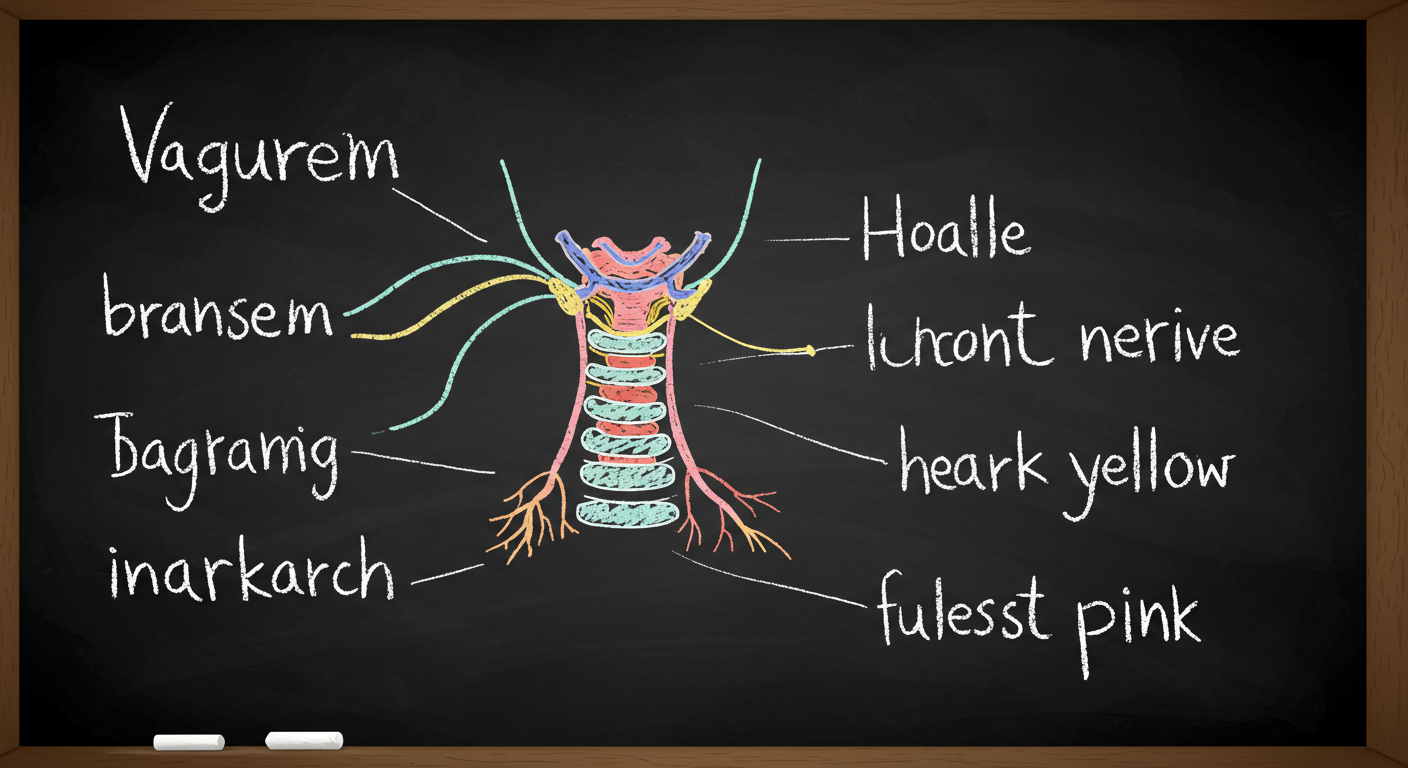
The vagus nerve carries signals between the brain and the body. It influences heart rate, breathing, swallowing, voice, digestion, and inflammation-related signaling.
What it is not
It is not a single calm button. It is a broad communication highway.
Clinical vagus nerve stimulation
Implanted vagus nerve stimulation has established uses in specific medical conditions, especially drug-resistant epilepsy and some cases of treatment-resistant depression.
Consumer claim check
If a product promises instant vagus nerve activation, ask for human randomized controlled trial data, sample size, and the outcome measured.
Science versus hype
A real effect is usually modest, measurable, and condition-specific.
A hype claim is usually broad, immediate, and impossible to verify.
Good questions to ask
- Was the study randomized?
- How many people were in it?
- Was there a sham control?
- Did it measure symptoms, biomarkers, or both?
- Was it published in a peer-reviewed journal?
3. Breathwork that actually changes physiology
Breathwork protocols with research support
Slow-paced breathing is the most consistently supported approach for calming physiology.
A practical starting protocol
- Inhale through the nose for 4 seconds
- Exhale for 6 seconds
- Repeat for 5 minutes
Why it works
Slow breathing can influence the baroreflex, carbon dioxide levels, and vagal signaling. The result is often lower arousal and better perceived calm.
Important caution
Breathwork is not always soothing. Rapid breathing and aggressive breath holds can trigger dizziness, tingling, or panic symptoms in sensitive people.
import math

# Simple 4-in, 6-out breathing timer for 5 minutes
cycles = 15
for i in range(cycles):
    print(f'Cycle {i+1}: inhale 4 seconds')
print('Cycle {0}: exhale 6 seconds'.format(i+1))Who should be careful
People with panic disorder, severe asthma, syncope, or a history of trauma-related dissociation should start gently and stop if symptoms intensify. If breathwork causes distress, that is data, not failure.
4. Consumer neurotech: read the label, not the vibe
How to evaluate consumer neurotech
Check four things:
- The claim: what exactly is being improved?
- The evidence: randomized trial, observational study, or testimonial?
- The comparator: sham device, placebo, or nothing?
- The outcome: symptom score, biomarker, or vague self-report?
Common red flags
- “Clinically proven” without a citation
- Tiny studies with no control group
- Claims that sound broader than the data
- Heavy reliance on influencer testimonials
Better than a gadget
For most people, the strongest foundation is still boring and effective: regular sleep, exercise, daylight, hydration, and a breathing practice you can actually repeat.
5. A practical nervous system reset plan
A practical reset sequence
- Reduce stimulation: sit, stand, or step outside
- Slow the breath: inhale 4, exhale 6
- Add gentle movement: walk for 2 to 5 minutes
- Check body signals: jaw, shoulders, hands, belly
- Repeat what actually helps
What success looks like
Less chest tightness, less racing, steadier breathing, improved ability to think, and a faster return to baseline after stress.
What not to chase
You do not need a dramatic sensation to get a real physiological effect.
Bottom line
The autonomic nervous system is real biology, not a vibes-only concept. Slow breathing has credible evidence. Vagus nerve stimulation is medically useful in specific settings. Consumer neurotech ranges from promising to overhyped. The best reset is the one that is safe, measurable, and repeatable.
Keep going with Slate
Pick up where this left off in your own voice session.