How to Recession-Proof Your Finances
Interest rate shifts, inflation, and layoffs — a practical playbook for financial resilience in uncertain times.
- How interest rate changes affect your money
- Building an emergency fund that actually works
- Diversification beyond stocks and bonds
- Career resilience: skills that weather any economy
1. Read the economy before it reads your wallet
How to Recession-Proof Your Finances
Interest rate shifts, inflation, and layoffs — a practical playbook for financial resilience in uncertain times.
What a recession changes in personal finance
A recession usually brings some combination of slower hiring, weaker wage growth, lower business profits, and more cautious lending. Your job is to make your cash flow less fragile.
The three numbers to watch
- Federal Reserve policy rate: affects borrowing and savings rates
- Inflation rate: affects your purchasing power
- Unemployment rate: signals labor-market stress
Why this matters
A family with a fixed mortgage and low debt can often ride out a downturn. A family with variable-rate debt, thin savings, and one income source feels the shock much faster.
2. Build an emergency fund that survives real life
Emergency fund formula
Essential monthly expenses × target months = emergency fund target
Example:
- Essential expenses: $3,200
- Target: 3 months
- Emergency fund goal: $9,600
Where to keep it
- Checking account: small buffer for immediate bills
- High-yield savings account: main emergency fund
- Avoid locking all of it in long-term investments
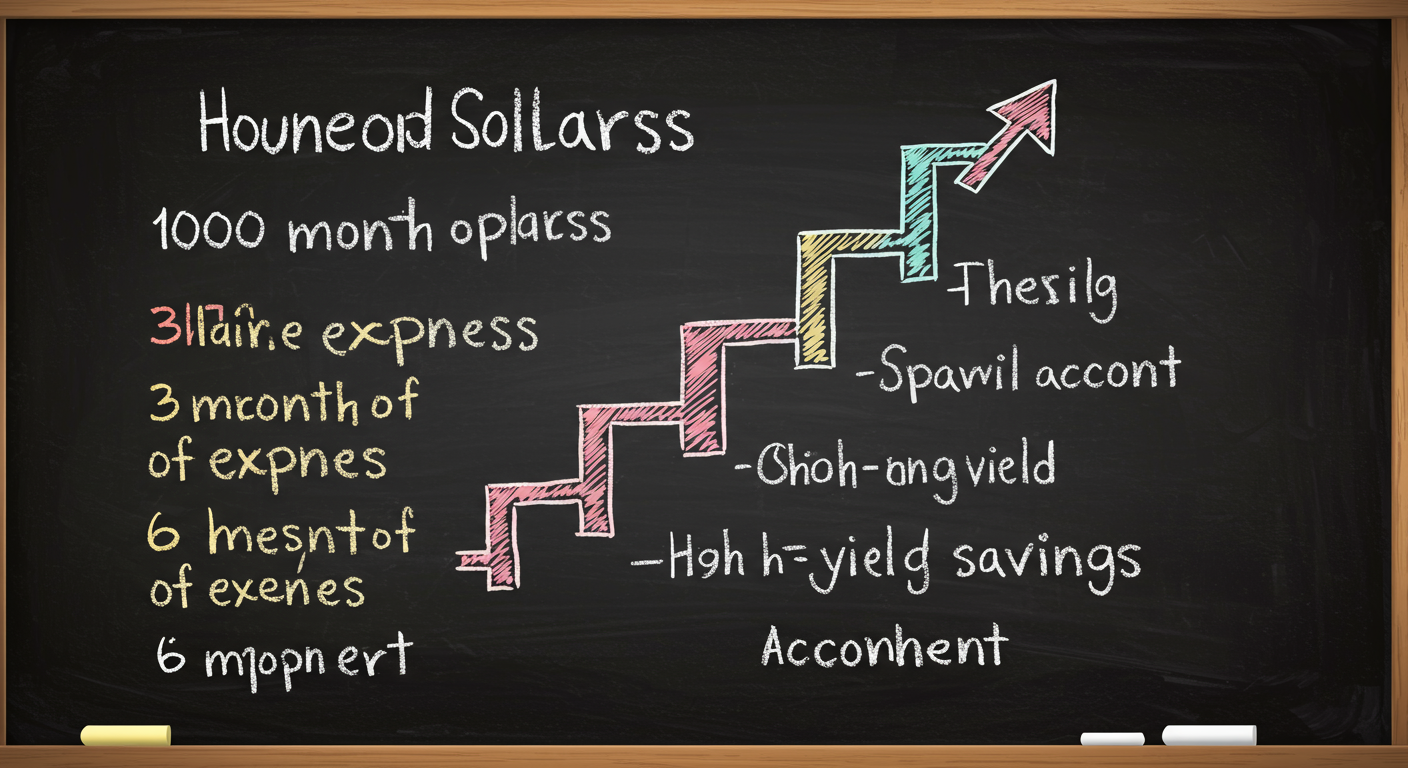
A practical ladder
- Save $1,000
- Save one month of essentials
- Save three months
- Move toward six months if your income is less predictable
3. Protect your money from inflation and rate shocks
Diversification beyond stocks and bonds
Diversification means spreading risk across assets that respond differently to the economy.
Common building blocks
- Cash and high-yield savings: liquidity and stability
- Treasury bills: short-term government-backed debt
- I bonds: inflation-linked savings bonds
- Broad stock index funds: long-term growth
- Bonds: income and some ballast, though they can fall when rates rise
- Real assets: real estate or commodities, with higher volatility and less liquidity
Match asset to time horizon
- 0 to 12 months: cash or equivalents
- 1 to 5 years: conservative mix, depending on goals
- 5 plus years: more growth assets can make sense
4. Make your career harder to break
Career resilience checklist
- Keep a record of measurable wins
- Learn one adjacent skill every quarter
- Build a network before you need a job
- Maintain an updated resume and LinkedIn profile
- Understand how your work saves time, money, or risk
Strong combinations
- Sales + CRM software
- Operations + data analysis
- Accounting + automation tools
- Healthcare + scheduling or billing systems
Why this works
Employers pay for outcomes. The more clearly you can show outcomes, the less replaceable you are.
skills = [
    ("Excel", "cuts reporting time"),
    ("SQL", "finds business trends"),
    ("Project management", "keeps work on schedule"),
    ("Customer support", "reduces churn")
]

for skill, value in skills:
    print(f"{skill}: {value}")
5. Turn the playbook into a monthly system
Monthly recession-resilience review
Check four things
- Cash balance
- High-interest debt balance
- Essential spending
- Career pipeline
Ask four questions
- Did rates change?
- Did prices change?
- Did my income change?
- Did my risk level change?
Rule of thumb
If a balance costs more than your safe savings earns, prioritize paying it down.
Final goal
Build a system that works even when you are tired, busy, or worried.
Keep going with Slate
Pick up where this left off in your own voice session.