Why personal branding matters in the AI era
0:006:08
Business

How to Build a Personal Brand on LinkedIn

In a world of AI-generated content, an authentic personal brand is your moat. Frameworks that work in 2026.

Apr 22, 20266 min listen5 chapters
What you'll learn
  • Why personal branding matters more in the AI era
  • LinkedIn, X, and newsletter strategies that work
  • Content creation frameworks for busy professionals
  • Authenticity vs. polish — what audiences want in 2026

Why personal branding matters in the AI era

note

How to Build a Personal Brand on LinkedIn

In a world of AI-generated content, an authentic personal brand is your moat. Frameworks that work in 2026.

note

Personal branding in 2026

A personal brand is the sum of the signals people associate with your name: expertise, taste, reliability, and point of view.

Why it matters now:

  • AI makes average content cheap to produce.
  • Buyers and employers use social proof to reduce risk.
  • Specificity beats volume when feeds are crowded.

The moat is proof

A strong personal brand is not a logo or a color palette. It is repeated evidence that you know a domain and can explain it clearly.

Examples of proof:

  • Case studies with numbers
  • Lessons from real projects
  • Original frameworks
  • Sharp opinions backed by experience
diagram
chart · bar
What audiences trust most
Specific experienceClear opinionsPolished designPosting often

The LinkedIn strategy that actually works

note

LinkedIn profile basics

Your profile should make one promise in plain language.

Headline formula:

  • Role + audience + outcome

About section structure:

  • What you do
  • What you help people solve
  • Evidence of credibility
  • A simple call to connect

Content pillars for LinkedIn

Use 3 to 5 recurring themes:

  • Lessons from real work
  • How-to breakdowns
  • Opinion posts with evidence
  • Case studies and results
  • Career or industry analysis
diagram
note

A strong LinkedIn headline

Weak: Marketing professional

Better: B2B marketer helping SaaS teams turn product launches into pipeline

Why it works:

  • It names the audience
  • It names the outcome
  • It is concrete enough to remember

Content frameworks for busy professionals

note

Three reusable content frameworks

Problem → Insight → Action → Result

  • Best for case studies
  • Works well on LinkedIn and newsletters

Mistake → Lesson → Rule

  • Best for credibility and authenticity
  • Works well when you want to show judgment

Question → Answer → Example

  • Best for educational posts
  • Useful for X threads and short LinkedIn posts

Time-saving workflow

  1. Capture ideas in the moment.
  2. Draft from one real experience.
  3. Edit for one clear takeaway.
  4. Reuse the same core idea across platforms.
python
def post_outline(problem, insight, action, result):
    return {
        "hook": problem,
        "body": [
            f"Insight: {insight}",
            f"Action: {action}",
            f"Result: {result}"
        ]
    }

example = post_outline(
    "Our webinar had low attendance",
    "The topic was useful, but the promise was vague",
    "We rewrote the title around one specific outcome",
    "Sign-ups increased from 84 to 213"
)

print(example)
diagram

Authenticity vs polish

note

Authenticity vs polish

Authenticity means your content reflects real experience, not borrowed advice.

Polish means your message is easy to read, easy to follow, and respectful of the audience’s time.

What audiences want in 2026

  • Clear evidence
  • Specific numbers when available
  • Honest uncertainty
  • A point of view
  • Clean presentation

What to avoid

  • Vague inspiration
  • Fake vulnerability
  • Over-edited corporate language
  • Claims without proof
illustration
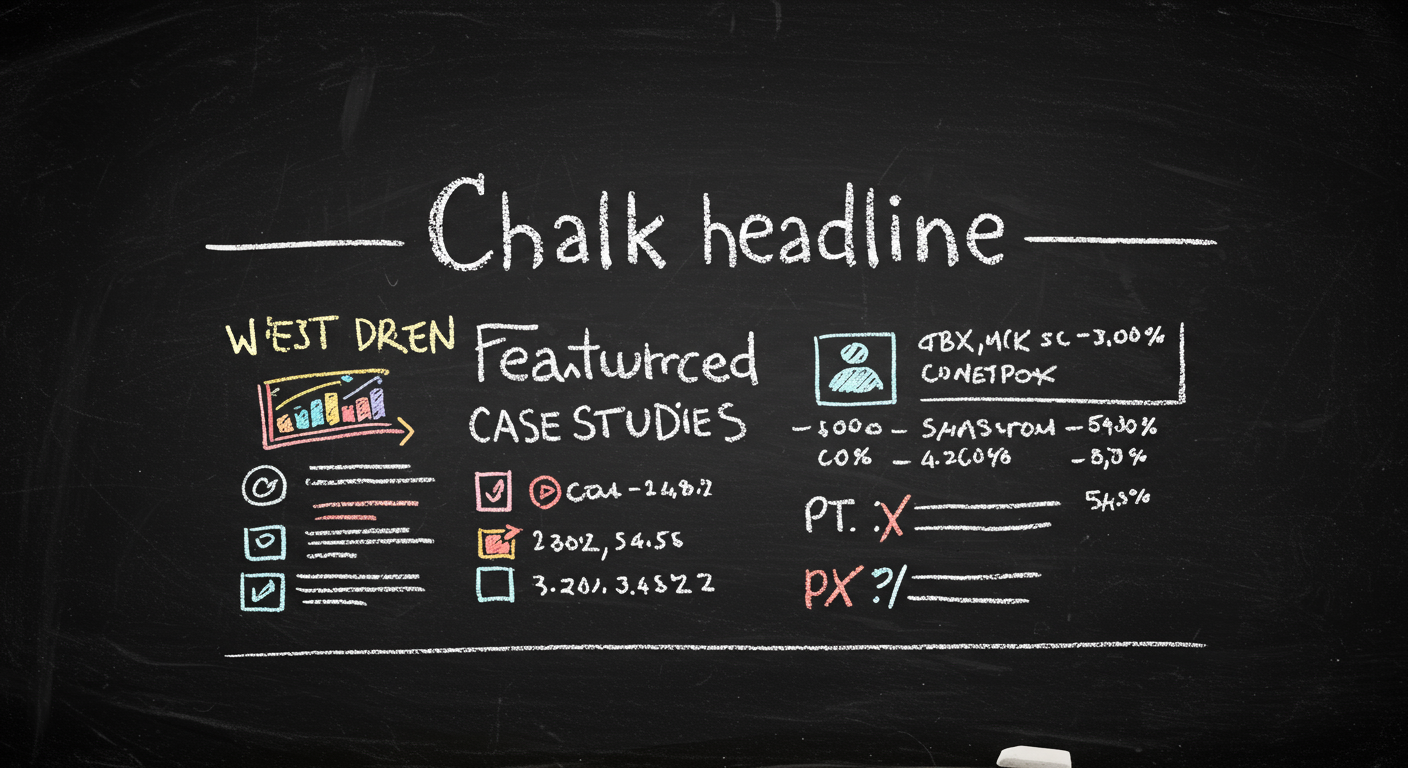
A professional LinkedIn profile page with a strong headline, featured case studies, and a post draft showing a real work lesson with numbers
chart · line
Trust grows with proof
Vague claimOne exampleRepeated proofSpecific numbers and stories

A practical 30 day plan

note

30 day personal brand plan

Week 1

  • Rewrite headline and about section
  • Define 3 content pillars

Week 2

  • Publish 2 LinkedIn posts
  • Publish 1 X thread

Week 3

  • Send 1 newsletter
  • Expand your best post into a deeper lesson

Week 4

  • Review comments, replies, and inbound messages
  • Keep the topics that attract the right audience

Metrics that matter

  • Profile views from relevant people
  • Meaningful comments
  • DMs from prospects or peers
  • Newsletter replies
  • Speaking or collaboration invites
diagram
note

The simplest rule

Be specific enough that the right people recognize themselves. Be credible enough that they trust you. Be consistent enough that they remember you.

Transcript

Welcome to Slate. Today we're looking at How to Build a Personal Brand on LinkedIn. We'll cover Why personal branding matters more in the AI era, LinkedIn, X, and newsletter strategies that work, Content creation frameworks for busy professionals, and Authenticity vs. polish — what audiences want in 2026. Let's get into it.

AI can generate a competent post in seconds. That changes the value of content. When output gets cheap, trust gets expensive. On LinkedIn, people are not only judging what you say. They are judging whether you have actually done the work. Think of personal brand like a fingerprint on a document. The document can be copied, but the fingerprint is yours. In 2026, that fingerprint comes from specific experience, clear opinions, and repeatable proof. A designer who shows before-and-after decisions, a founder who shares revenue lessons with numbers, or a recruiter who explains hiring tradeoffs will stand out fast. The reason is simple. Generic advice is abundant. Lived experience is scarce. Here’s the pattern to notice. The strongest personal brands do three things at once. They teach something useful. They reveal how the person thinks. And they make it easy to trust the source. That trust compounds across LinkedIn, X, and email. It can lead to speaking invites, clients, job offers, and partnerships. But it only works if the brand is built around real expertise, not borrowed certainty.

LinkedIn rewards clarity more than cleverness. The feed is like a conference hallway. People stop when they recognize a useful voice. Your profile is the first test. Your headline should say who you help and how. Your about section should answer three questions fast. What do you do? What problems do you solve? Why should someone trust you? Then your content needs a simple rhythm. One post can teach a lesson. Another can show a process. Another can share a point of view. That mix prevents your audience from seeing you as one-note. The best-performing creators on LinkedIn do not post random inspiration. They build a recognizable theme. If you are a product manager, maybe you explain launch decisions. If you are in sales, maybe you break down objection handling. If you are in finance, maybe you translate market moves into plain English. Notice the goal. You are not trying to impress everyone. You are trying to be memorable to the right people. That is how LinkedIn turns attention into inbound messages, warm leads, and career momentum.

Busy people do not need more ideas. They need repeatable structures. Think of a framework like a recipe card taped to the fridge. It removes decision fatigue. One useful model is problem, insight, action, result. Start with a real problem. Explain the insight that changed your thinking. Show the action you took. End with the result, even if it was small or imperfect. Another useful model is mistake, lesson, rule. That one works well because people trust honesty. On X, shorter posts often work better when they point to one sharp idea. On LinkedIn, you can expand that same idea into a fuller story. For newsletters, go deeper. Explain the context, the tradeoffs, and the example. The key is not to create three different brains for three platforms. Use one idea, then adapt the depth. If you have only thirty minutes, record a voice note after a meeting, turn it into a rough draft, and edit for clarity later. Consistency comes from reducing friction, not from waiting to feel inspired.

People in 2026 want both honesty and competence. They do not want content that feels raw for the sake of being raw. They also do not want brand theater. The sweet spot is polished enough to respect the audience, but honest enough to sound human. A useful analogy is a clean kitchen before dinner. You do not need a showroom. You need a space where the food is real and the process is visible. That means sharing numbers when you can, naming what you learned, and admitting uncertainty when the answer is not settled. It also means avoiding fake vulnerability. A post about a difficult lesson is strongest when it includes the actual decision and the actual consequence. For example, “We cut our ad spend by 30 percent and lost volume, but the lead quality improved” is more credible than vague reflection. The audience is asking a simple question: would I trust this person with my time, money, or reputation? Your content should help them answer yes, without sounding scripted.

A personal brand grows through repetition, not reinvention. For the first week, tighten your profile and choose three content pillars. In week two, publish two LinkedIn posts and one X thread from real work. In week three, send one newsletter that expands your best post into a deeper lesson. In week four, review what got comments from the right people, not just likes. That distinction matters. Likes are a surface signal. Replies from peers, prospects, and hiring managers are stronger. Think of the process like a garden. You do not water every plant equally. You give more attention to the ones that are actually growing. Over time, keep what works and drop what does not. If a topic gets attention but attracts the wrong audience, refine the angle. If a format feels easy but gets no response, test a different hook. The goal is not to become famous online. The goal is to become unmistakably useful to a specific group of people. That is what turns a profile into a reputation.

XLinkedInWhatsApp

Keep going with Slate

Pick up where this left off in your own voice session.

Built with Slate