How Do Cults Work? The Psychology of Manipulation
Love bombing, thought reform, and the BITE model — why smart people join cults and why leaving is so hard.
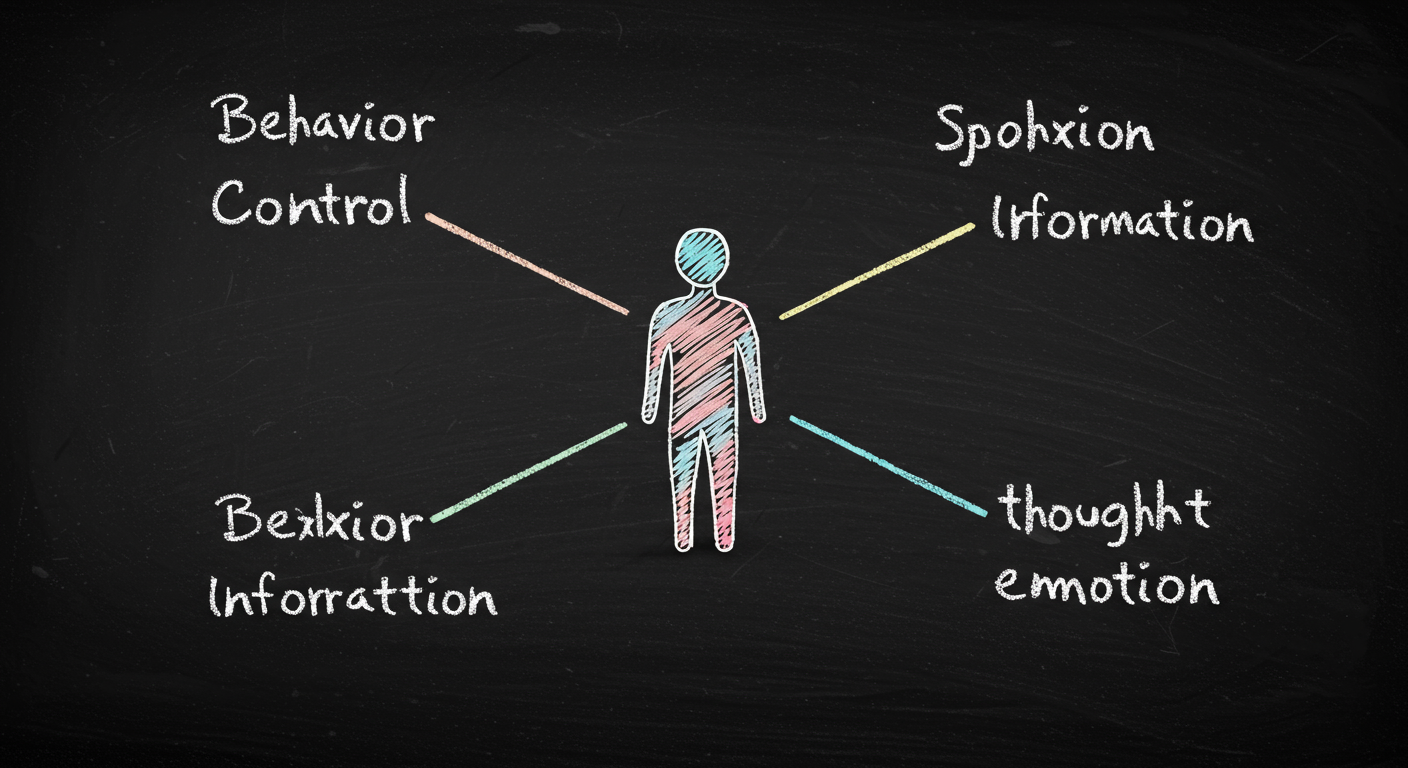
- The BITE model: behavior, information, thought, emotional control
- Love bombing, isolation, and incremental commitment
- Why intelligence doesn't protect you (vulnerability factors)
- How people leave and the psychology of cult recovery
What a cult is, and why the word gets slippery
How Do Cults Work? The Psychology of Manipulation
Love bombing, thought reform, and the BITE model — why smart people join cults and why leaving is so hard.
What psychologists mean by a cult
A cult is best understood as a high-control group, not just a strange or unpopular one.
Core features
- Strong authority concentrated in one leader or a small inner circle
- Pressure to obey group rules over personal judgment
- Control of information, relationships, or emotions
- Punishment for doubt, exit, or criticism
Why the label is slippery
The same word gets used for:
- abusive religious groups
- political movements
- self-help communities
- online fandoms
The useful test is control, not weirdness.
The BITE model in one sentence
BITE stands for Behavior, Information, Thought, and Emotional control.
It is useful because it shows how coercion can be ordinary at first. A group may begin with harmless routines, then add rules, then isolate members, then make leaving feel terrifying. That gradual pattern matters more than any single dramatic event.
Love bombing and incremental commitment
Love bombing
Love bombing is rapid, intense affection used to create attachment and trust.
What it looks like
- constant praise
- instant friendship
- special status
- pressure to reciprocate quickly
Why it works
It satisfies belonging needs before a person has time to evaluate the group critically.
The foot in the door effect
Freedman and Fraser’s 1966 experiments showed that small initial agreements raise the chance of larger later agreements.
In coercive groups, that means the first yes is not the main event. It is the opening move.
How thought reform narrows the mind
Lifton’s thought reform themes
Robert J. Lifton identified recurring features of coercive systems:
- milieu control
- mystical manipulation
- demand for purity
- confession
- sacred science
- loaded language
- doctrine over person
- dispensing of existence
These are not magic tricks. They are repeated pressures that make independent judgment harder.
Why isolation matters
Isolation reduces access to alternative viewpoints, which weakens reality testing.
Common methods
- limiting phone or internet use
- discouraging contact with family
- moving members into shared housing
- framing outsiders as dangerous or ignorant
A person cut off from corrective feedback is easier to steer.
Why smart people join, and why leaving is so hard
Why intelligence does not protect someone
Intelligence helps with analysis, but cult recruitment often targets emotion and belonging first.
Vulnerability factors
- major life transition
- loneliness
- grief or trauma
- desire for certainty
- strong community needs
- prior abuse or dependency
Smart people can still be manipulated when the social conditions are right.
What helps people recover
Recovery is usually gradual.
Helpful supports
- nonjudgmental listening
- stable housing and finances
- reconnecting with family or friends
- trauma-informed therapy
- time to rebuild decision-making
Leaving is hard because the group often supplied the person’s whole social world.
How to spot coercion early and respond safely
Early warning signs
Watch for patterns, not just beliefs.
Red flags
- doubt is punished
- outsiders are demonized
- secrecy is rewarded
- money or labor demands keep rising
- leaving is framed as betrayal or doom
Safer responses
- preserve outside relationships
- document promises and demands
- slow down major commitments
- ask neutral questions
- seek trauma-informed support if needed
The main lesson
Cults work by controlling the conditions under which people decide.
That is why the BITE model is so useful. It turns a vague fear into a clear checklist: behavior, information, thought, and emotion.
Keep going with Slate
Pick up where this left off in your own voice session.