Emotional Intelligence: The Career Superpower
EQ predicts success more than IQ. Learn the five components and how to demonstrate them in interviews and at work.
- Goleman's five components: self-awareness, regulation, motivation, empathy, social skill
- How to read emotional cues in meetings and interviews
- Managing your own emotional triggers under pressure
- EQ as a leadership differentiator in 2026
Why emotional intelligence predicts performance
Emotional Intelligence: The Career Superpower
EQ predicts success more than IQ. Learn the five components and how to demonstrate them in interviews and at work.
Emotional intelligence definition
Emotional intelligence is the ability to recognize, understand, and manage emotions in yourself and in other people.
Why it matters at work
- Better collaboration in teams
- Stronger conflict handling
- Clearer leadership under pressure
- More trust with clients and colleagues
The five components from Daniel Goleman
- Self-awareness
- Self-regulation
- Motivation
- Empathy
- Social skill
The five components of EQ
The five components explained
Self-awareness
Knowing your strengths, limits, moods, and triggers.
Self-regulation
Controlling impulses and choosing a response.
Motivation
Staying driven by purpose, progress, and standards.
Empathy
Understanding what other people may feel or need.
Social skill
Building trust, resolving tension, and influencing others.
Quick distinction
A person can be confident but not self-aware. They can be friendly but not empathetic. They can be smart but still react badly under pressure.
Reading emotional cues in meetings and interviews
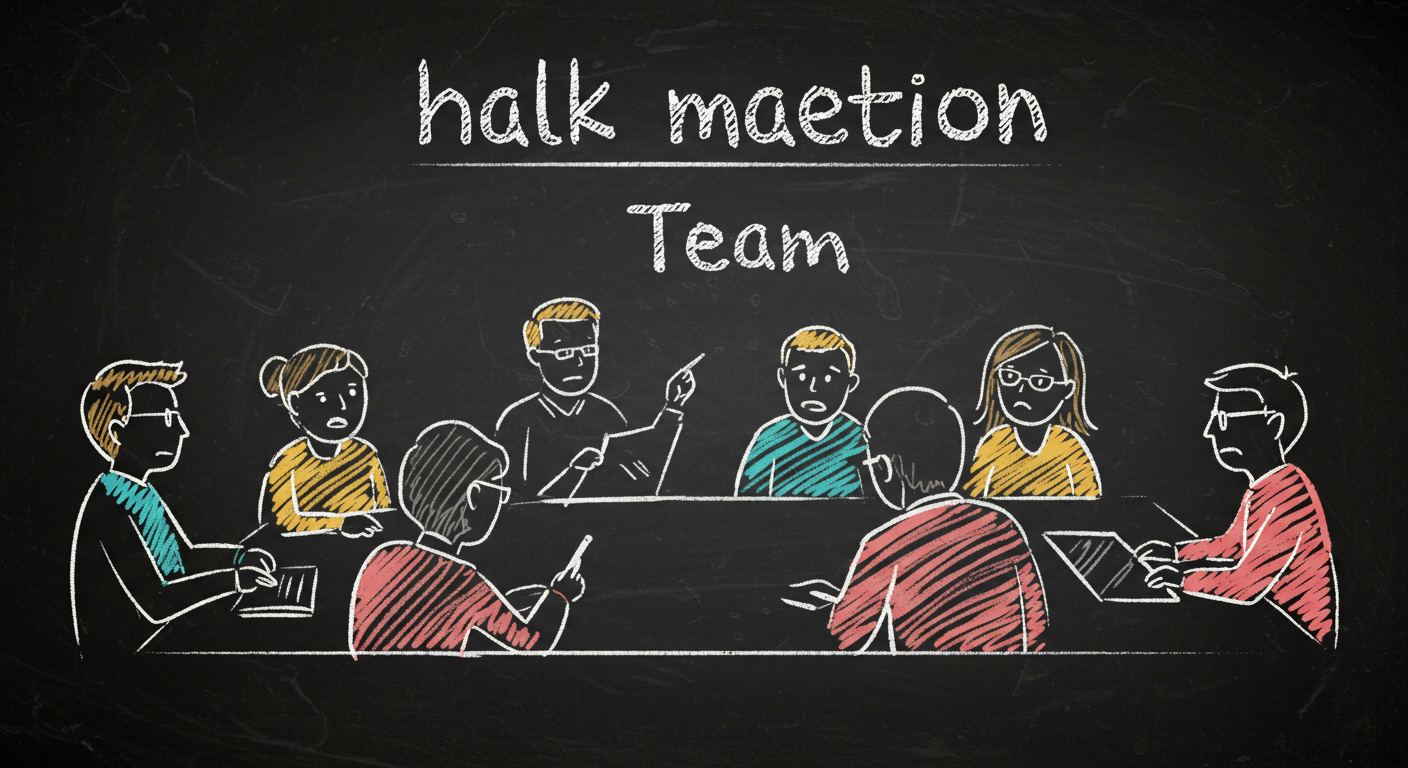
Emotional cues to watch
- Changes in tone
- Longer pauses than usual
- Closed posture or leaning away
- Crossed arms combined with short answers
- A shift from collaboration to defensiveness
Better interpretation rule
Look for a cluster of cues, not one cue.
A useful interview move
When tension appears, slow down and name the topic calmly:
- "I can see this is an important concern."
- "Let me answer that directly."
- "Here is how I handled a similar situation."
Managing triggers under pressure
Common triggers
- Being interrupted
- Vague criticism
- Public correction
- Tight deadlines
- Feeling ignored
The 3 step pause
- Notice what changed in your body.
- Label the emotion.
- Choose the most useful next sentence.
Example response
"I want to answer this carefully, so give me a second to think."
def response_quality(pause_seconds):
    if pause_seconds < 1:
        return "high risk of reactive answer"
    elif pause_seconds < 5:
        return "good chance of thoughtful answer"
    else:
        return "thoughtful, but may feel slow in a fast interview"

for t in [0, 2, 7]:
    print(t, response_quality(t))
Showing EQ in interviews and leadership in 2026
How to show EQ in an interview
Use one clear story with four parts:
- Situation
- Emotion or tension
- Action you took
- Result
Strong phrases
- "I noticed the team was frustrated."
- "I slowed the conversation down."
- "I clarified what mattered most."
- "I checked for understanding before moving on."
Leadership signals employers look for
- Calm under pressure
- Fair conflict handling
- Clear feedback
- Trust-building across teams
- Consistency in hard moments
Keep going with Slate
Pick up where this left off in your own voice session.